Caste was our late summer book choice. Lots to unpack, Molly hosted the gathering.
Sunday
June Summer Reading 2021
First in person beehive gathering since February 2020
The Book Choice: Why We Swim by Bonnie Tsui.Tuesday
January 2021 Book Choice
The Girl with 7 Names by Hyeonseo Lee was our Dec/Jan read.
A non fiction first hand account of escaping from North Korea
2015 Startribune review:
"Lee tells her story in a straightforward style (helped by a credited collaborator) with only brief interjections about her feelings at a particular moment. In the epilogue, she writes that "the smallest thing sends me back into steel-plated survival mode" and that she endures "bouts of self-loathing."
"No sooner do I achieve something than I become unhappy with myself for not doing better, and achieving the next thing," she writes. Even on a South Korean TV program with other defectors, she notes that she cried less than others. Her mother, meanwhile, still dreams about the relatives they left behind.
Her book shows that the years between her escape from the North and her arrival in the South were far more perilous. China, Vietnam, Laos and Thailand (though to a lesser degree) pursue and persecute North Koreans with a ferocity that seems unconscionable to Americans, even compared with our pursuit of terrorists and border crossers. Lee developed survival skills, quickly picking up Chinese and exhaustively saving money for bribes she knew she would need to pay, bribes that again and again saved her."
Toronto Star Review July 2015
"Indeed, while the greatest strength of this book is its clear, observational style (Lee thanks a co-writer, David John, in the acknowledgments), almost equal is Lee’s candor about the toll that this kind of life takes on an ordinary citizen. For instance, upon her defection to South Korea (where she now lives), she reflects on the long-standing effects that the “old mentalities” have on defectors. “Paranoia, a vital survival tool when neighbors and co-workers were informing on them, prevented them from trusting anyone,” writes Lee. Depression and anxiety are also common.
She’s also honest about the complexity of her relationship with her former homeland, including her continued love of country, and fragmented identity (the book’s title reflects her continued need for new disguises during her escape). “Leaving North Korea is not like leaving any other country. It is more like leaving another universe,” she writes. In the epilogue, she admits that bouts of self-loathing still challenge her as an adult."
Saturday
June book choice 2019
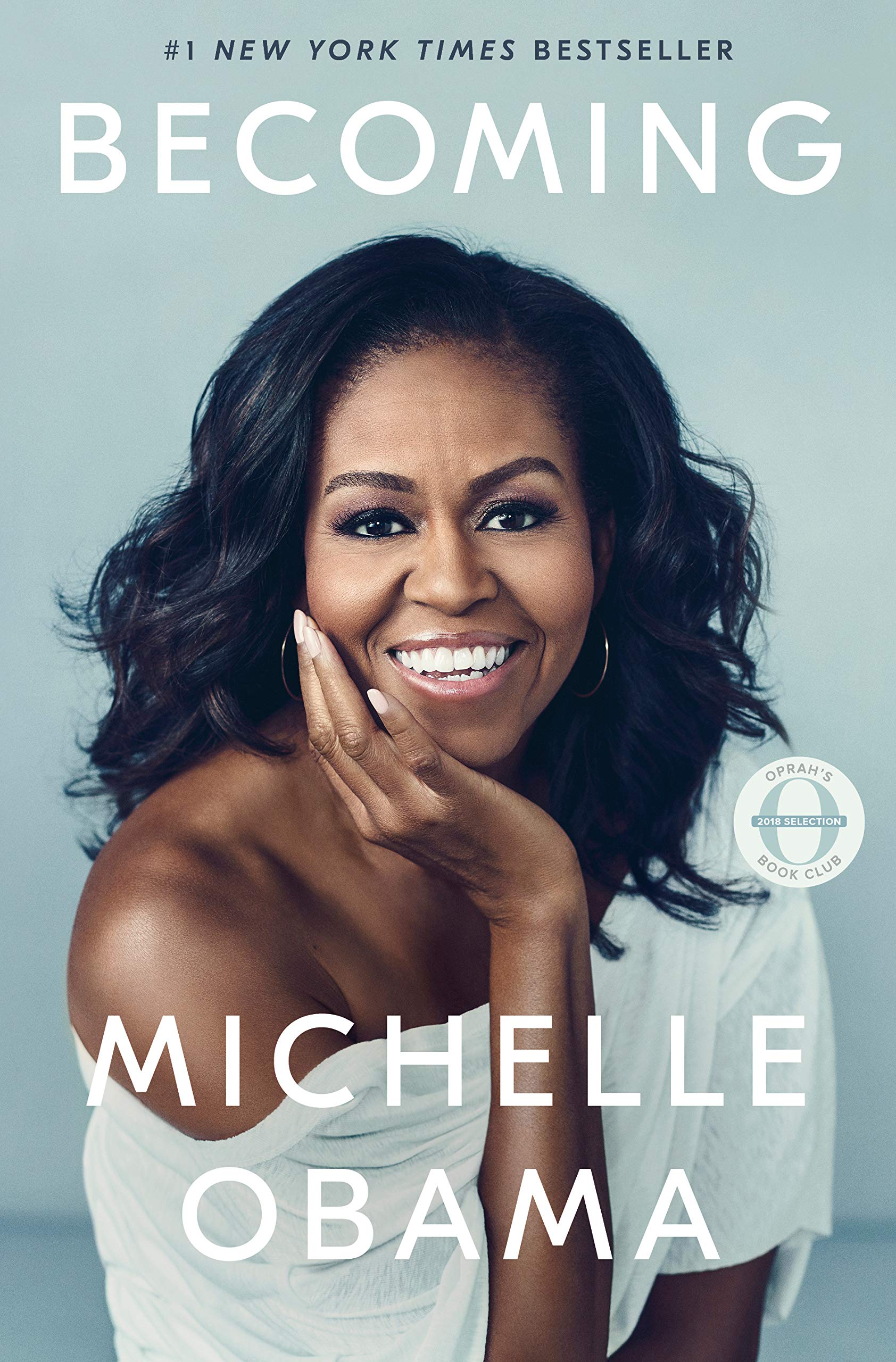
For our early summer read we selected "Becoming" by Michelle ObamaHere is a small sample of the NYTimes book review 2018
The book is divided into three sections — “Becoming Me,” “Becoming Us” and “Becoming More” — that sound like the bland stuff of inspirational self-help. Which isn’t to discount how useful empowerment can be; Obama emphasizes how important role models are, especially for young women of color in a culture that isn’t changing fast enough. But this book isn’t all unicorns and rainbows. By the end of it, she ultimately champions endurance and incremental change; she will probably be lauded and lambasted accordingly."
![]() |
| Look at this spread |
Tuesday
April Book Choice 2019

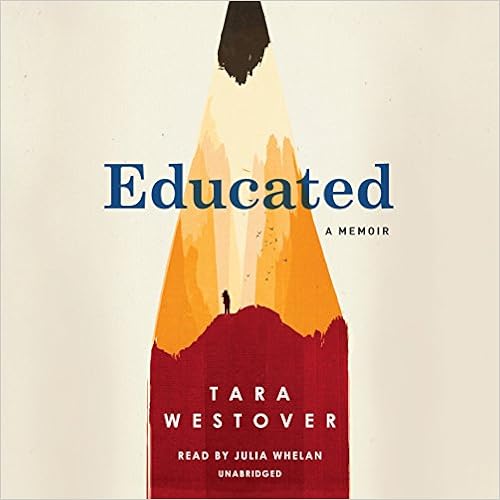
For April we selected the book Educated by Tara Westover. Lots to discuss in this unbelievable true story. Here is part of a New Yorker review 2018:
" I am far from the first critic to recommend Tara Westover’s astounding memoir, “Educated,” but if its comet tail of glowing reviews has not yet convinced you, let me see what I can do. Westover was born sometime in September, 1986—no birth certificate was issued—on a remote mountain in Idaho, the seventh child of Mormon survivalist parents who subscribed to a paranoid patchwork of beliefs well outside the mandates of their religion. The government was always about to invade; the End of Days was always at hand. Westover’s mother worked as a midwife and an herbal healer. Her father, who claimed prophetic powers, owned a scrap yard, where his children labored without the benefit of protective equipment. (Westover recounts accidents so hideous, and so frequent, that it’s a wonder she lived to tell her tale at all.) Mainstream medicine was mistrusted, as were schools, which meant that Westover’s determination to leave home and get a formal education—the choice that drives her book, and changed her life—amounted to a rebellion against her parents’ world."
We met at Obo's for our book group discussion, drinks and dinner.
Sunday
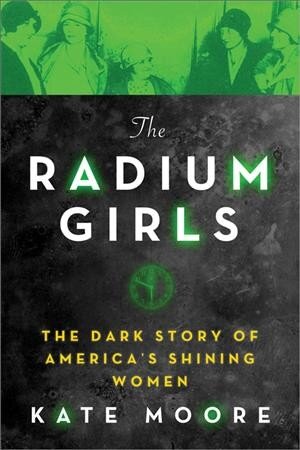
October 2018 Book Group Selection
Here is a brief bit of the NPR Book Review April 2017:
The book, infuriating for necessary reasons, traces the women at two dial-making factories — the USRC in New Jersey, and Radiant Dial in Illinois. And Radium Girls spares us nothing of their suffering; though at times the foreshadowing reads more like a true-crime story, Moore is intent on making the reader viscerally understand the pain in which these young women were living, and through which they had to fight in order to get their problems recognized.The history of business is a history of violence. The worst descriptions of disease (and I'll be surprised if you don't run your tongue across your teeth at least once) can't match the fatal callousness of the companies that knew the dangers of radium long before they ever admitted them. There's a reason Moore repeatedly notes the girls' phosphorescence as ghostly; the companies knew they were doomed. (Radiant Dial tested its girls and never gave them their results, even as internal correspondence was sorting them by radiation levels to see who'd be first to die.)

Radium Girls is frighteningly easily to set in a wider context. The story of real women at the mercy of businesses who see them only as a potential risk to the bottom line is haunting precisely because of how little has changed; the glowing ghosts of the radium girls haunt us still.
Kitty hosted our get together at her sweet cottage, powerful discussion and glowing treats!
Summer 2018 Born a Crime

By turns alarming, sad and funny, his book provides a harrowing look, through the prism of Mr. Noah’s family, at life in South Africa under apartheid and the country’s lurching entry into a post-apartheid era in the 1990s. Some stories will be familiar to fans who have followed the author’s stand-up act. But his accounts here are less the polished anecdotes of a comedian underscoring the absurdities of life under apartheid, than raw, deeply personal reminiscences about being “half-white, half-black” in a country where his birth “violated any number of laws, statutes and regulations.”
“Born a Crime” is not just an unnerving account of growing up in South Africa under apartheid, but a love letter to the author’s remarkable mother, who grew up in a hut with 14 cousins, and determined that her son would not grow up paying what she called “the black tax” — black families having to “spend all of their time trying to fix the problems of the past,” using their skills and education to bring their relatives “back up to zero,” because “the generations who came before you have been pillaged.”